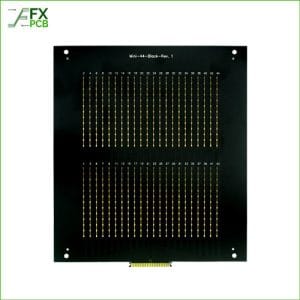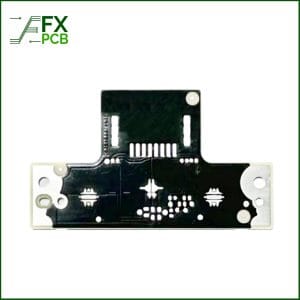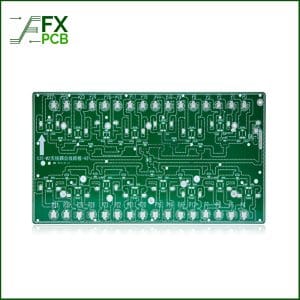

This digital age that we are fortunate to be a part of, has been built on a myriad of breakthroughs and developments. Underneath all these accomplishments lie the unsung heroes of technology – Printed Circuit Boards (PCBs). Imagine these PCBs as the silent veins of electronics, circulating life in the form of electrical signals. In their many avatars – Ceramics being one of the major ones, they help bring to life a diverse array of gadgets that we use daily.
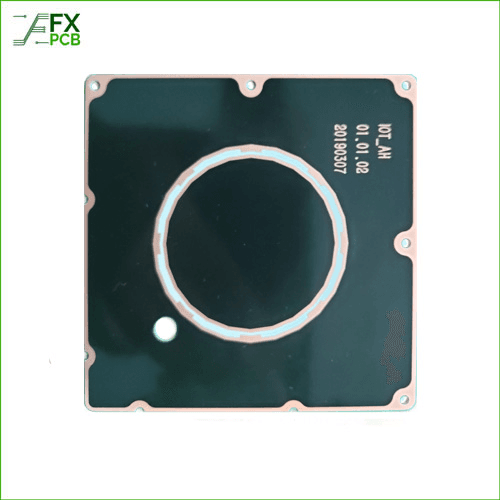
A Ceramic PCB is a type of PCB that utilizes ceramic as its base material. Ceramics have the capability to be electrically expended, can dissipate heat, and electrical insulation. These attributes enable Ceramic PCBs to operate in extreme conditions where other materials may fail and in industries like medical equipment, aerospace, etc.
Let’s take a deep dive into the realm of Ceramic PCBs, uncovering the materials they are made of, the various types that exist, their impressive benefits, and the drawbacks that we must cautiously tread around.
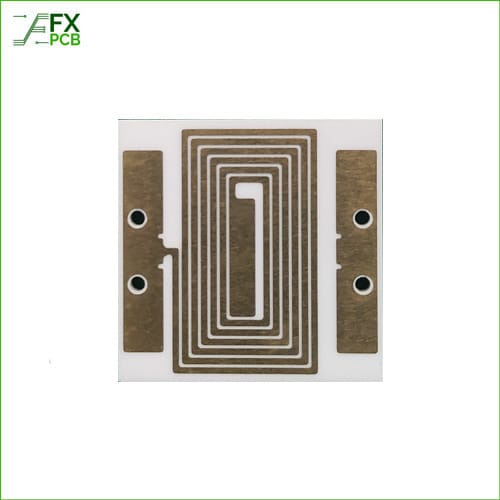
FX PCB can provide the ALN(Aluminum oxide) and AIO203(Aluminum Nitride) Ceramic PCB, we can make ENEPIG, ENIG, Immerison silver surface,you can check the material datesheet and our capability from the below tables.
The ceramic circuit board has the following characteristics: high-temperature resistance, high electrical insulation, low dielectric constant, low dielectric loss, high thermal conductivity, good chemical stability, and the thermal expansion is almost can be coefficients of components.
Ceramic PCB is actually made of electronic ceramic materials and can be made into various shapes.
When we talk about ceramic printed circuit boards, or PCBs, the “ceramic” term can include a wide range of materials. Each one comes with its unique characteristics that make it a good fit for certain uses. Here are the major three materials used:
Alumina, or Al2O3, is the ceramic you’ll find most often in PCBs. Its popularity comes from its easy availability and cost-friendliness. It strikes a decent balance between thermal conductivity and electrical insulation properties with 24-28 W/mK conductivity.
Aluminium Nitride, or AlN, is a go-to choice when you need top-notch thermal conductivity. With a thermal conductivity score of 170-230 W/mK, it’s a champ at getting rid of heat and keeping electronics functioning properly.
Beryllium Oxide, or BeO, outperforms all the other ceramics when it comes to thermal conductivity, achieving between 250-325 W/mK. But, it’s not used as widely because it’s toxic. Working with BeO requires a lot of safety precautions, which drives up manufacturing costs.
There are a few different kinds of PCBs out there, and each has its strengths:
So, what makes Ceramic PCBs the rising star in the world of electronics? Here, we shed light on some of the key benefits that make them a popular choice:
The word ‘ceramic’ often brings to mind images of pottery baking in a kiln. But this material, famed for withstanding high temperatures in a potter’s kiln, could play a pivotal role in electronic devices. With an inherent high thermal conductivity, Ceramic PCB is quite the master at heat management. They pull off a spectacular balancing act, keeping electronic components cool and ensuring the device’s longevity. It’s like having an in-built air conditioning system that works relentlessly to prevent overheating.
When you’re working with electronics, safety is paramount. One wrong connection, and you might end up with a gadget that’s more ‘shocking’ than functional. Enter Ceramic Printed Circuit Boards, with their superior electrical insulation. Much like a conscientious electrician, they diligently prevent any unwanted flow of current, safeguarding your device from short circuits and maintaining overall stability.
Ever noticed how a sidewalk has gaps between the slabs of concrete? These are cleverly designed to allow the material to expand and contract without causing cracks. Similarly, Ceramic PCBs have a thermal expansion coefficient that’s close to silicon, a common semiconductor material. This similarity allows them to handle the heat-induced expansion and contraction of components efficiently, thus reducing mechanical stress and offering a harmonious work environment for the electronic components.
Thanks to their chemically inert nature and resistance to extreme temperatures, Ceramics PCBs are like electronic explorers, adept at operating smoothly in harsh environments. Whether it’s the heat of an automotive engine or the freezing vacuum of outer space, these PCBs can handle it all.
In the electronic world, maintaining signal integrity is crucial for the device to function properly. Thanks to their low signal loss, Ceramic PCBs ensure smooth performance, even at high frequencies. It’s like having a sound technician right inside your device, ensuring that the performance remains pitch-perfect.
As we move towards an era of sleek, compact gadgets, space management has become more important than ever. These Printed Circuit Boards’ high component density, enable the creation of smaller and lighter devices without compromising on performance. It’s like having a talented architect who makes the best possible use of limited space.
As a professional ceramic PCB manufacturer, FX PCB delivers reliable, high-performance ceramic PCB solutions for your projects.

I am Peter Gong. I have been working in PCB and PCBA industry for 15+ years now. I have been a part of the PCB revolution with my dedication to circuit board technologies and creative ideas. I write in FX PCB to impart my knowledge on PCB and PCBA for all circuit board lovers, manufacturers, and users.
WhatsApp us