Last Updated: December 2025 | Prepared for 2026 Industry Standards
In the fast-evolving world of electronics, the terms PCB and PCBA are often used interchangeably. However, for engineers and procurement managers, understanding the distinction is vital for project success. While a PCB is the foundation, a PCBA (Printed Circuit Board Assembly) is the fully functional “brain” that powers modern hardware.
2025 & 2026 Industry Trends: The Shift Toward AI and High-Density PCBA
As we move into 2026, the PCBA landscape is being redefined by Artificial Intelligence (AI) and High-Performance Computing (HPC). At FX PCB, we have observed several key trends:
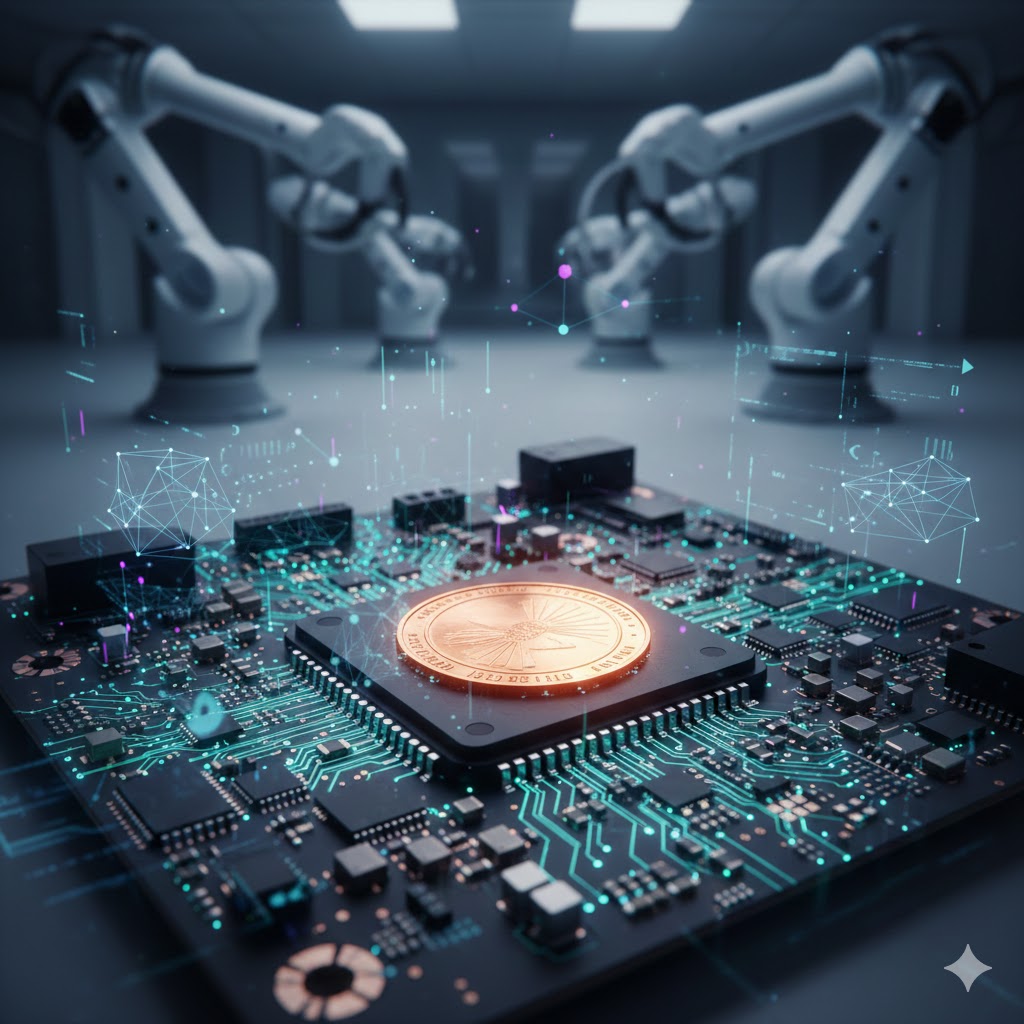
PCBA for AI Servers: AI chips require massive power delivery. We are seeing a 50% increase in the use of High-Density Interconnect (HDI) and Copper Coin PCBs to manage extreme thermal loads in AI data centers.
Miniaturization (01005 Components): In 2026, the demand for smaller IoT and wearable devices is pushing SMT lines to handle ultra-small 01005 components with micron-level precision.
Sustainable Manufacturing: Eco-friendly flux and lead-free, RoHS-compliant soldering are no longer optional—they are a 2026 global market entry requirement
What is PCBA?
PCBA stands for Printed Circuit Board Assembly. It refers to the process of soldering and integrating electronic components—such as resistors, integrated circuits (ICs), capacitors, and transistors—onto a fabricated PCB.
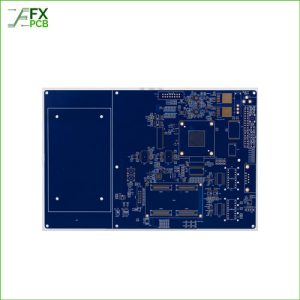
A bare PCB is simply a board with copper pathways and no active functions. It only becomes a PCBA once the assembly is complete, turning the board into a functional component ready for use in products ranging from smartphones to aerospace radar systems.
Difference Between the PCBA and PCB

PCBA vs. PCB: Understanding the Differences
To make the right choice for your project, you must understand where one ends and the other begins.
| Feature | PCB (Printed Circuit Board) | PCBA (PCB Assembly) |
| Components | None (Bare board) | Fully populated (ICs, Resistors, etc.) |
| Functionality | Provides electrical pathways | Executes complex electronic tasks |
| Manufacturing | Etching, Drilling, Plating | SMT, THT, Soldering, Testing |
| Ready for Use | No | Yes (Ready for final product integration) |
The PCBA Manufacturing Process: Step-by-Step
Achieving high-precision PCBA requires advanced machinery and strict quality control. At FX PCB, we utilize two primary assembly methods:
1. SMT (Surface Mount Technology)
For modern high-density designs (like Glass PCBs or high-speed data boards), SMT is the industry standard.
Solder Paste Printing: Solder paste is applied to the bare PCB using a high-precision stencil.
Pick and Place: Automated machines place SMD (Surface Mount Device) components onto the solder paste with micron-level accuracy.
Reflow Soldering: The board passes through a multi-zone oven, melting the solder paste to create permanent electrical joints.
2. THT (Through-Hole Technology)
THT is used for components that require high mechanical strength, such as connectors, transformers, or high-power capacitors.
Component Insertion: Leads are inserted through pre-drilled holes in the PCB.
Wave Soldering: The bottom of the board is passed over a wave of molten solder to secure the components.
3. Inspection and Quality Control
A high-quality PCBA must undergo rigorous testing to ensure durability:
AOI (Automated Optical Inspection): Scans for missing or misaligned parts.
X-Ray Inspection: Crucial for BGA (Ball Grid Array) components where solder joints are hidden.
FCT (Functional Testing): We simulate the board’s operating environment to ensure 100% functionality.
Why Choose FX PCB for Your PCBA Project?
With over 10 years of experience in the Shenzhen PCB industry, FX PCB provides more than just assembly—we provide a competitive edge for your business.
Turnkey PCBA Services: We handle everything—from PCB fabrication and component sourcing (BOM) to final assembly and testing.
No Minimum Order Limit (No MOQ): Whether you need 5 prototypes or 100,000 mass-produced units, we offer flexible solutions.
Cost-Effective Sourcing: We follow your BOM list strictly but can suggest high-quality alternative components to reduce your costs, always subject to your final approval.
Fast Lead Times: Our streamlined SMT lines ensure your project stays on schedule, from design to delivery.
PCBA Frequently Asked Questions (FAQ)
Q1: What files are required to get a PCBA quote?
To provide an accurate quote, we need your Gerber files (for the board), a BOM (Bill of Materials) in Excel format, and a Pick-and-Place (Centroid) file.
Q2: Can you assemble complex boards like flex PCB, Rigid-flex PCB or Glass PCBs?
Yes. Our facility is equipped to handle different kinds of PCBs .
Q3: Do you offer lead-free (RoHS compliant) assembly?
Absolutely. We provide both leaded and lead-free (RoHS) soldering options to meet international environmental standards.
Conclusion
The PCBA is the heart of your electronic product. Selecting the right manufacturer means balancing precision, cost, and technical support. At FX PCB, we guarantee high-accuracy assembly, competitive pricing, and on-time delivery for every project.
Ready to start your next PCBA project? [Contact FX PCB today for a free and a fast quote!]