
As the lifeblood of numerous modern devices, printed circuit board assembly (PCBA) has revolutionized technology as we know it. PCBs, or printed circuit boards, are complex electrical pathways that breathe life into your phones, computers, and a whole gamut of electronics. However, the quality of such complex gadgets depends on the machinery employed in their construction. Let’s uncover nine key types of PCBA equipment vital to the process.

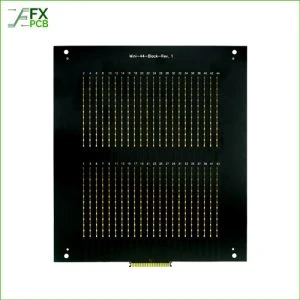
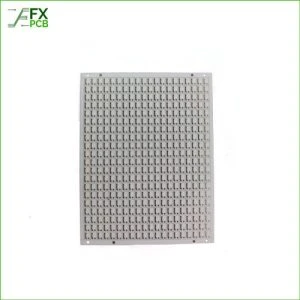
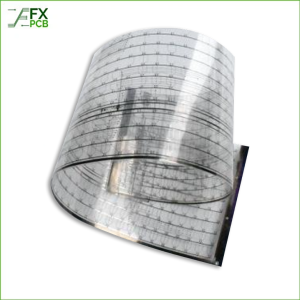
FX PCB can provide the ALN(Aluminum oxide) and AIO203(Aluminum Nitride) Ceramic PCB, we can make ENEPIG, ENIG, Immerison silver surface,you can check the material datesheet and our capability from the below tables.
Ceramic PCB is actually made of electronic ceramic materials and can be made into various shapes.
The ceramic circuit board has the following characteristics: high-temperature resistance, high electrical insulation, low dielectric constant, low dielectric loss, high thermal conductivity, good chemical stability, and the thermal expansion is almost can be coefficients of components.
Order Now Ceramic PCB
A good journey begins at the base. The initial step in PCB assembly is applying solder paste to the board, and for that, we need a screen printer. With its metal stencil, a screen printer ensures the solder paste is applied uniformly and precisely where required. Without this, the components wouldn’t stick to the board or form good electrical connections. It’s an essential part of PCBA, without which your devices might end up being just a jumble of parts.
Next in line, we have the pick and place machine—a true marvel of precision and speed. This device automatically picks electronic components from a feeder and accurately places them on the solder paste on the PCB. Considering the intricate design and minute size of many components, this equipment requires exceptional precision and reliability. Just imagine; a standard PCBA can have hundreds or even thousands of components, each of them having their rightful place on the board.
Ever baked a batch of cookies? The reflow oven does something similar, just not as delicious. After the components are meticulously placed on the board, the entire assembly goes into the reflow oven. Here, the solder paste melts, or “reflows,” effectively bonding the components to the PCB. This intricate baking process is critical as it dictates the quality and durability of the final assembly.
In any production process, quality assurance is indispensable, and that’s where our fourth equipment, the AOI machine, comes in. After the soldering process, the AOI scans the PCB for any potential defects. These can range from incorrect component placement to insufficient soldering.
The wave soldering machine is a tried-and-tested veteran of PCBA. It’s primarily used for through-hole component soldering, a type of assembly where components are mounted by inserting leads into holes drilled into the PCB. The machine works by sending a “wave” of molten solder that washes over the bottom of the board, soldering the leads in the process. This method, although a bit old-school, is efficient and effective for certain types of PCBs.
SPI machines evaluate the quality of the solder paste application after the screen printing phase. With the help of high-precision 3D sensors, they detect any discrepancies in the volume, area, and height of the solder paste deposits. This meticulous attention to detail allows for the early identification of defects before the components are placed, thereby preventing potential complications further down the line.
Given the tiny margins of error in PCB assembly, the role of the SPI machine cannot be overstated. It’s more than simply a piece of hardware; it plays a crucial role in preventing errors in the PCBA process and ensuring the highest possible quality of the end product.

Some defects are not visible to the naked eye, or even the AOI. Enter the X-Ray Inspection machine. This equipment enables a non-destructive method to view solder joints under the surface of the board. It’s like giving the PCB a CT scan to check the integrity of solder joints, especially for components like BGA (Ball Grid Array) that have hidden connections underneath.
Rework stations are equipped with advanced tools and technology to perform precise desoldering and resoldering of components that need to be replaced or removed. Their precision is of paramount importance, as they need to extract components without damaging the PCB or surrounding elements.
Moreover, rework stations have a critical role in managing fine pitch components—those with leads too close together for conventional soldering tools. By efficiently handling these delicate components, rework stations ensure they do not become a bottleneck, thereby preserving the overall speed and efficiency of the assembly process.
Once all the components have been successfully placed, soldered, inspected, and reworked if necessary, the assembly process enters its final stage. Now, it’s time to separate individual PCBs from the large panel they were assembled on.
Imagine the PCB Router machine as a skilled surgeon performing a delicate procedure. It meticulously cuts the panels, freeing the individual boards while ensuring clean edges and minimizing potential damage to the finished product. This is achieved through a process called ‘routing,’ where high-speed spindles precisely mill the panel along the pre-determined paths.
The router machine’s accuracy plays a crucial role in the final presentation of the product. A slip-up here could damage the meticulously assembled PCBs. Thankfully, these machines boast a high degree of precision, ensuring that the fruits of the entire PCBA process are preserved in their prime condition, ready for their role in powering our modern world.
Remember, a good PCBA process is like a well-conducted orchestra. Each instrument, or rather equipment, plays its role at the right time, leading to a harmonious symphony of technology that powers our modern world.
So, you’ve been introduced to the remarkable world of PCB Assembly equipment, each playing its pivotal role in bringing our beloved electronic devices to life. It’s an intricate dance of precision and quality, with no room for error. Now, where can you find such exceptional quality PCBA?
Well, look no further! At FX PCB, we’re not just familiar with these pieces of equipment; we’re experts at using them. With years of experience under our belt, we know how to orchestrate the PCBA process to deliver PCBs of exceptional quality and reliability.
We bring the same degree of dedication, precision, and quality control to every job, big or small. Are you ready to bring your electronics project to life? Reach out to us at FX PCB, and let us show you what world-class PCBA looks like.

I am Peter Gong. I have been working in PCB and PCBA industry for 15+ years now. I have been a part of the PCB revolution with my dedication to circuit board technologies and creative ideas. I write in FX PCB to impart my knowledge on PCB and PCBA for all circuit board lovers, manufacturers, and users.
WhatsApp us