When it comes to building and testing electronic circuits, two common platforms that come to mind are protoboards (also known as perfboards) and breadboards. These tools serve as the foundation for creating temporary or semi-permanent electronic circuits without the need for soldering. However, they have distinct characteristics and use cases, and choosing the right one for your project can significantly impact your workflow and the success of your electronic endeavors. In this article, we see the protoboard vs breadboard advantages or disadvantages and choose the right platform for your electronics projects.
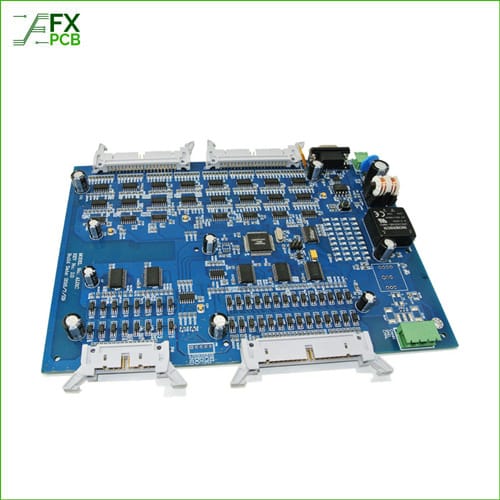
As a fast turnaround or quick-turn PCB Assembly Manufacturer /factory in Shenzhen China, FX PCB is able to fulfill orders in a fast delivery time with our modern technologies used in production.
Our factory carries out the assembly and installation of printed circuit boards to order. During the development and manufacturing process, constant quality control is carried out. We strictly follow your Gerber file and Bom list for your fast turnaround or quick turn PCBA projects, and we will also be glad to suggest you the alternative for your passive components to decrease your cost, but all replacement components need you to approve and make the final decision on whether you want to use them.
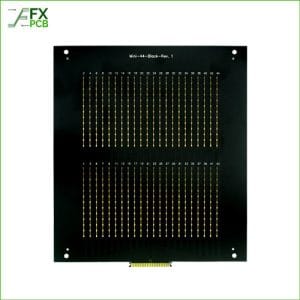
Protoboards, often referred to as perfboards or stripboards, are a staple in the toolkit of electronics hobbyists and professionals alike. They are characterized by a board with pre-drilled holes, typically arranged in a grid pattern, and copper traces on one side. The primary purpose of these boards is to facilitate soldered connections between electronic components.
Protoboards offer stable and robust connections due to soldering. Once components are soldered in place, they tend to stay put and withstand mechanical stress better than components on a breadboard.
Protoboards are ideal for projects where the circuit configuration is relatively fixed, and you want a more permanent solution. This makes them suitable for constructing prototypes of devices that will eventually be soldered onto a PCB (Printed Circuit Board).
Protoboards provide the flexibility to create custom circuit layouts. You can cut traces where needed and solder components in unique configurations to meet your project’s specific requirements.
Due to their stable connections and customizability, protoboards are well-suited for more complex circuits. Engineers and hobbyists can create intricate designs with a high level of precision.
Protoboards are affordable, making them accessible to hobbyists and students on a budget. They also reduce long-term costs by offering a more permanent solution compared to disposable breadboards.
To work effectively with protoboards, you need soldering skills. This can be intimidating for beginners or those who prefer solderless solutions.
While components can be desoldered and reused, it is not as straightforward as plugging and unplugging components on a breadboard. This makes protoboards less suitable for rapid prototyping or experimenting.
Debugging and testing can be more challenging on a protoboard since soldered connections are not easily adjustable. Any changes or corrections may involve desoldering and resoldering components, which can be time-consuming.
Breadboards, on the other hand, are synonymous with quick prototyping and experimentation in electronics. They are favored by beginners and professionals alike for their ease of use and the ability to create temporary circuits without soldering.
One of the most significant advantages of breadboards is that they do not require soldering. Components are connected by inserting their leads into the holes on the board, allowing for quick adjustments and changes.
Breadboards are perfect for newcomers to electronics. They provide a low barrier to entry, allowing beginners to get started with circuit manufacturing without the need for soldering irons or specialized equipment.
Breadboards are highly reusable. Components can be easily inserted and removed, making them ideal for experimenting, testing, and iterative design processes.
If you need to test an idea or concept quickly, a breadboard allows you to do so efficiently. You can assemble a circuit in minutes and modify it as needed without any soldering-related delays.
Breadboards offer a clear and intuitive way to visualize your circuit. The layout of components and connections is readily apparent, making it easier to identify and rectify errors.
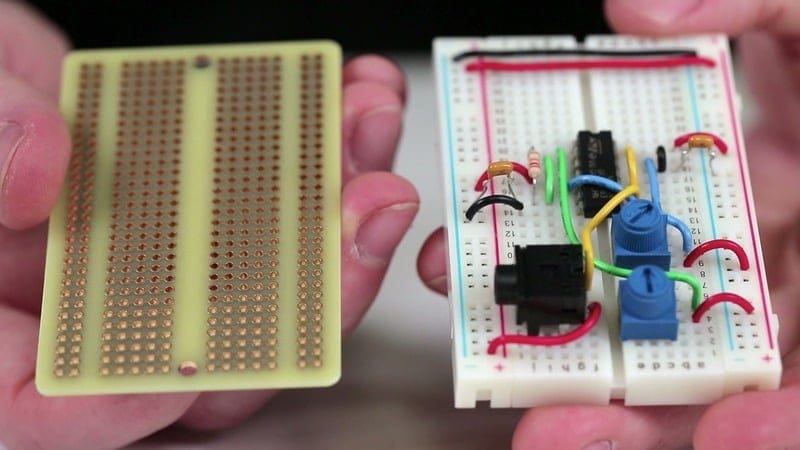
Connections on breadboards can become loose over time, especially if you frequently insert and remove components. This can lead to intermittent or unreliable connections in complex circuits.
Breadboards are best suited for simpler circuits. As the complexity of your circuit increases, it can become challenging to maintain order and avoid clutter on the board.
While breadboards are excellent for prototyping, they are not suitable for permanent projects. The temporary nature of the connections means that they are not as robust or durable as soldered connections on a protoboard.
The choice between a protoboard and a breadboard ultimately depends on the nature of your project, your level of expertise, and your specific requirements. Here are some guidelines to help you make an informed decision:
Permanent Projects:
If you are working on a project intended for long-term use or production, protoboards are a suitable choice. They provide stable connections and a more durable solution.
Complex Circuits:
Protoboards excel in handling complex circuits that require precision and custom layouts. Engineers often turn to protoboards when building prototypes for more advanced electronic devices.
Soldering Proficiency:
If you are comfortable with soldering and have the necessary equipment, protoboards offer a valuable platform for your electronic projects.
Rapid Prototyping:
For quick experimentation, idea testing, and proof of concept, breadboards are unbeatable. They allow you to assemble and modify circuits on the fly, saving time and effort.
Beginners:
If you are new to electronics or want to introduce someone to the world of circuit building, breadboards are an excellent starting point. They offer a gentle learning curve and require no soldering skills.
Temporary Testing:
When you need to test a circuit or concept before committing to a permanent design, breadboards provide a flexible and convenient platform.
Visualization:
Breadboards are valuable for visually understanding circuit connections. They are a useful tool for education and documentation purposes.
Protoboards and breadboards are indispensable tools in the realm of electronics. They each serve specific purposes and cater to different skill levels and project requirements. By understanding their advantages and disadvantages, you can make an informed decision about which platform to use for your next electronics project.
In summary, protoboards offer stability, durability, and flexibility for permanent or complex projects, while breadboards provide a solderless, beginner-friendly, and rapidly adjustable platform for quick prototyping and experimentation. Your choice between the two will depend on your project’s goals, your level of expertise, and your preferred workflow. Regardless of your choice, both protoboards and breadboards are essential allies in the world of electronics innovation.

I am Peter Gong. I have been working in PCB and PCBA industry for 15+ years now. I have been a part of the PCB revolution with my dedication to circuit board technologies and creative ideas. I write in FX PCB to impart my knowledge on PCB and PCBA for all circuit board lovers, manufacturers, and users.
WhatsApp us