What is the difference between metal core PCB and FR4?
A metal core PCB uses a thermally conductive metal base, commonly aluminum or copper, to move heat away from components more efficiently. FR4 uses fiberglass-reinforced epoxy, which is cost-effective and widely used but has much lower thermal conductivity. Metal core boards are preferred for LEDs, power electronics, and high-heat applications where temperature control directly affects reliability.
What makes metal core PCB design for manufacturability important?
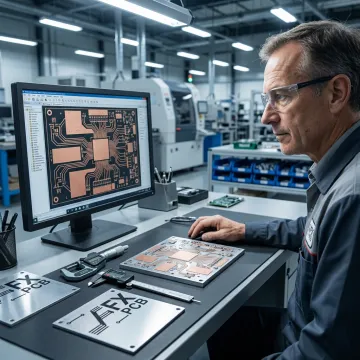
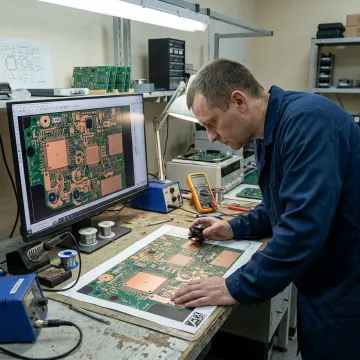
Metal core PCBs must balance electrical routing, thermal transfer, mechanical constraints, dielectric thickness, drilling limits, and assembly requirements. DFM review helps identify issues such as insufficient clearances, difficult panelization, incompatible stackups, and soldering risks before fabrication. This reduces rework, improves yield, and helps the board transition smoothly from prototype to volume production.
Which applications benefit most from metal core PCBs?
Metal core PCBs are commonly used in LED lighting, automotive electronics, power supplies, battery management systems, industrial controls, motor drivers, and other high-power assemblies. They are especially valuable when heat must be drawn away from components quickly to maintain efficiency, extend service life, and prevent thermal stress during continuous operation.
What files are needed for a metal core PCB DFM review?
A complete DFM review typically requires Gerber files, drill files, stackup information, board thickness, copper weight, BOM, assembly drawings, pick-and-place files, and any thermal or mechanical requirements. Sharing target quantities, surface finish preferences, and testing expectations also helps FX PCB evaluate manufacturability, sourcing, and production cost more accurately.
Can FX PCB manufacture both prototypes and production runs?
Yes. FX PCB supports the full path from prototype PCB assembly to high-volume manufacturing. Engineers can validate early metal core PCB designs, refine the layout after testing, and then scale production with the same manufacturing partner. This continuity helps preserve design knowledge, reduce supplier handoff errors, and maintain consistent quality controls.
How does FX PCB test metal core PCB quality?
FX PCB provides 100% electrical testing on bare boards and supports inspection and verification methods such as AOI, X-ray equipment, functional testing, and custom test jigs when required. For assembled boards, testing can include electrical checks, performance verification, configuration, and product-specific procedures developed to match customer requirements.
Are metal core PCBs suitable for LED lighting products?
Yes. Metal core PCBs are widely used in LED lighting because they help dissipate heat from LEDs and power components more effectively than standard FR4. FX PCB offers specialized LED light PCB assembly using aluminum-based PCBs, helping improve thermal performance, soldering reliability, and long-term operation in lighting applications.
What certifications support FX PCB manufacturing quality?
FX PCB operates with certifications and compliance standards including ISO9001, ISO14001, ISO13485, IPC-A-610 Class 2/3, RoHS Compliance, REACH Compliance, and UL. These standards support consistent quality management, environmental responsibility, medical manufacturing requirements, assembly workmanship expectations, and access to regulated global markets.